Single unit-derived connectivity networks in tuberous sclerosis complex reveal propensity for network hypersynchrony driven by tuber-tuber interactions (opens in a new tab)
Scientific Reports, 14(1): 31654. doi:10.1038/s41598-024-80634-5
Applications
We record from and stimulate both the peripheral and central nervous systems in both primates and humans. Ripple’s ecosystem allows us to easily interface with all these systems with minimal development. This allows us to spend more time on the science and less on getting experiments working.
 Charles Greenspon University of Chicago · Sensory Neurophysiology
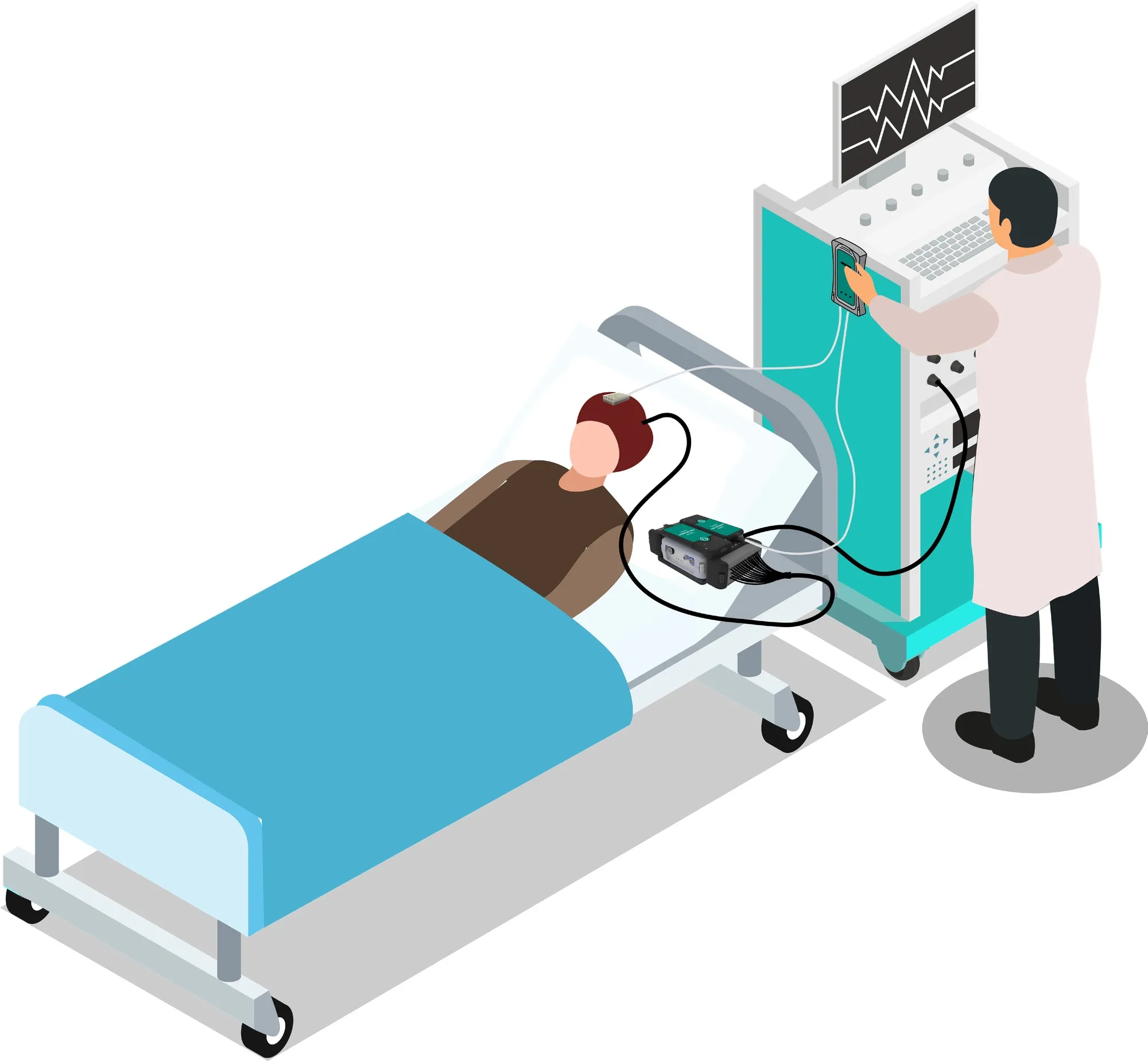
Ripple records and stimulates in parallel with the clinical system, from the same depth electrodes, without interrupting clinical care.
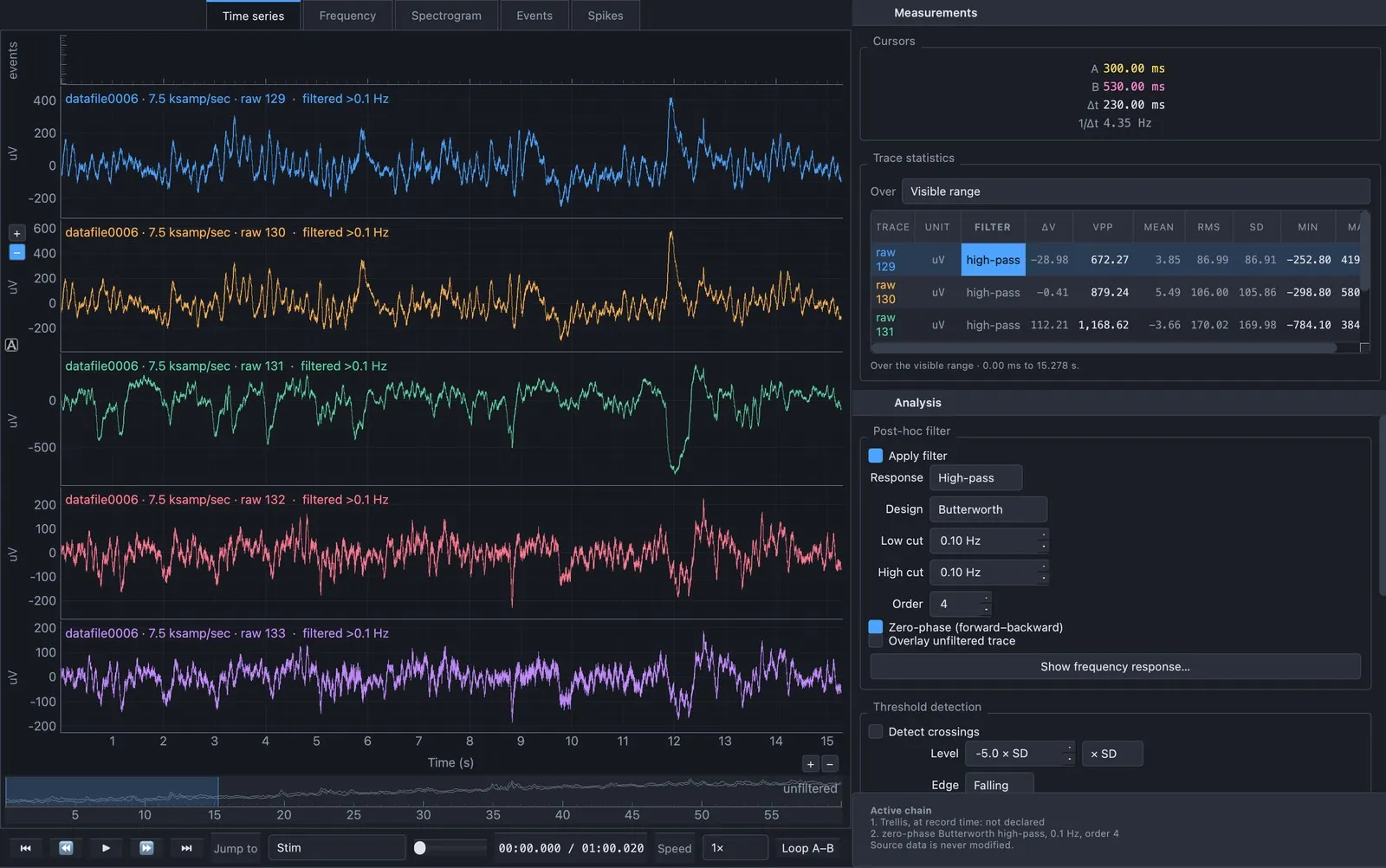
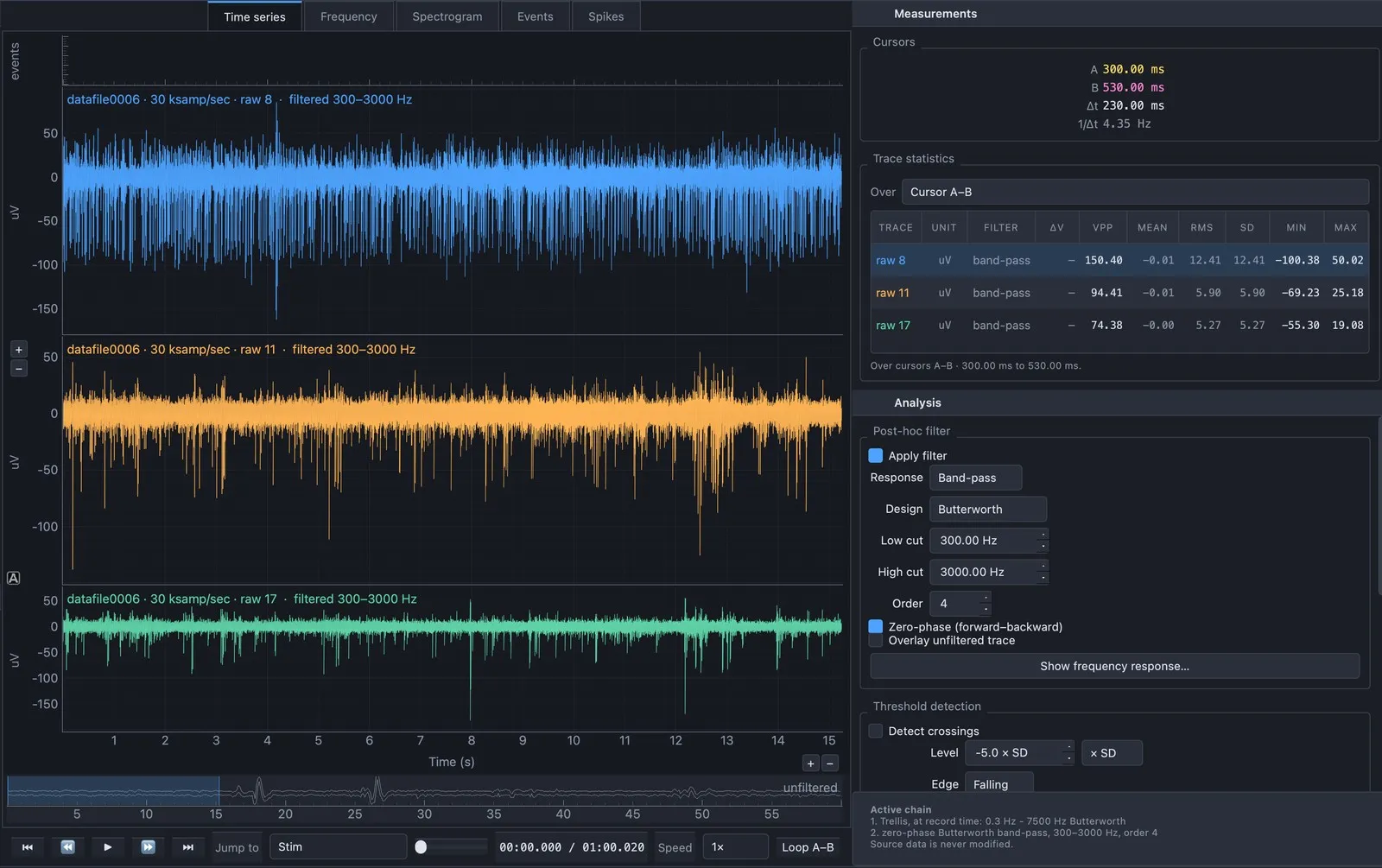
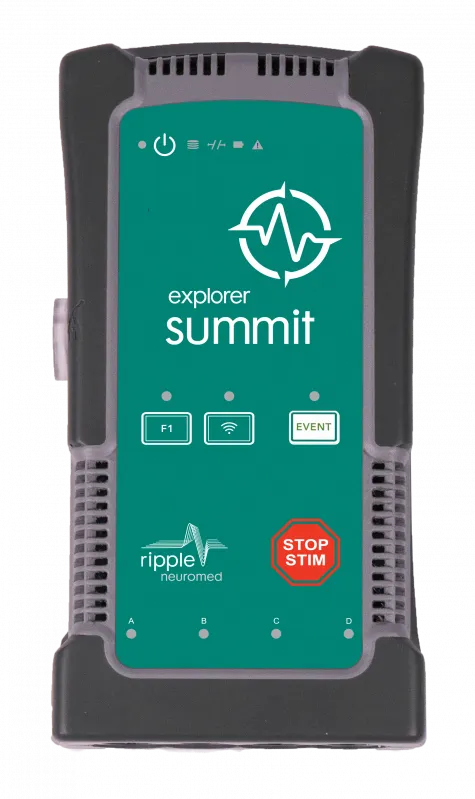
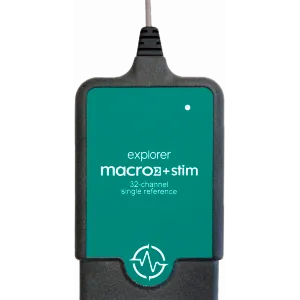
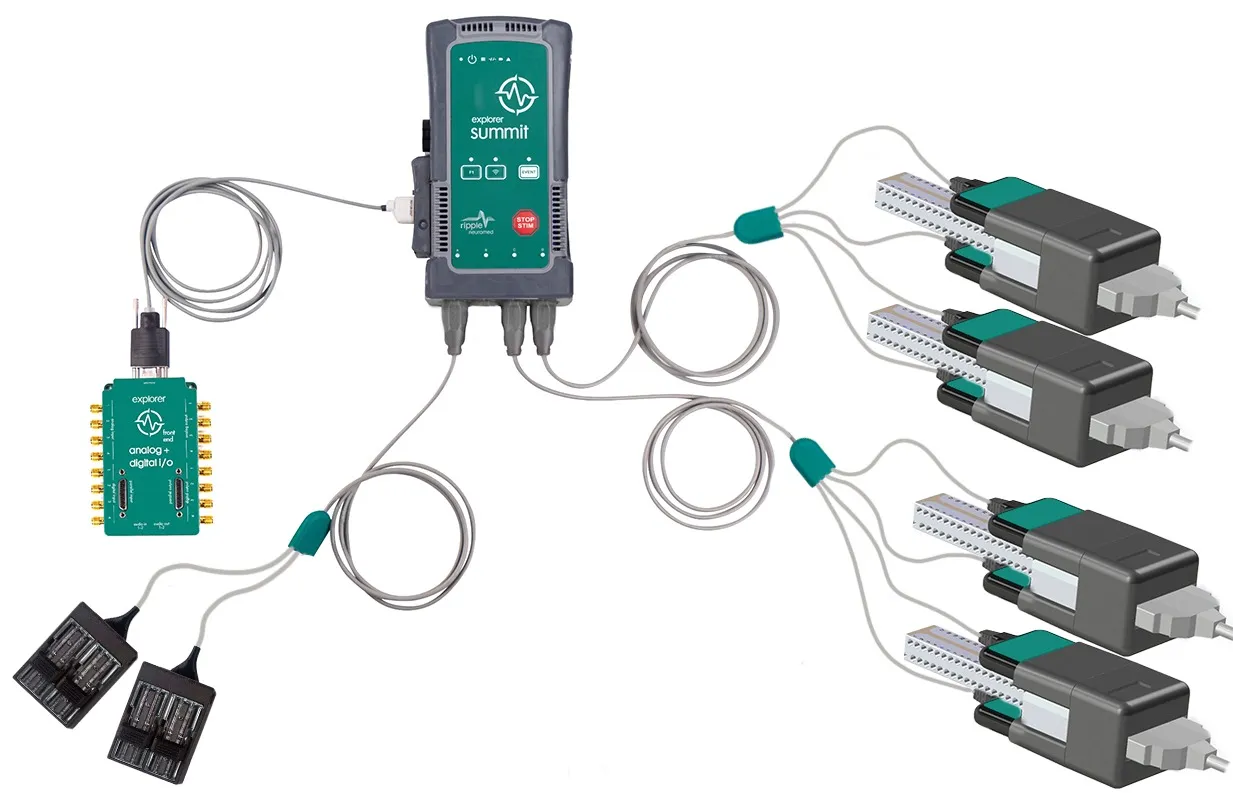
Clinical adapters connect the Summit in parallel with the clinical EEG system, so research recording and stimulation run on the macro contacts while clinical monitoring continues. Microwires on micro-macro depth electrodes connect to Ripple front ends for single-unit and high-frequency recording.
Scientific Reports, 14(1): 31654. doi:10.1038/s41598-024-80634-5
Hardware configuration
iScience, 27(6): 110003. doi:10.1016/j.isci.2024.110003
Run research in the operating room alongside the existing intraoperative monitoring equipment, without disrupting the clinical workflow.
A clinical adapter connects the Summit in parallel with the clinical monitoring system, giving researchers access to the same electrode channels while the clinical setup and workflow stay unchanged.
Our team can help you configure the right Explorer Summit system for your research.